
Rooted in Trust. Driven by Results.
Dry Needling on Ossington Avenue, Toronto, ON
Targeted relief for muscle tension and trigger-point discomfort — integrated into your chiropractic or physiotherapy at Ossington Chiropractic and Rehabilitation (OCR).
What Is Dry Needling and How Can It Help You on Ossington Avenue, Toronto, ON?
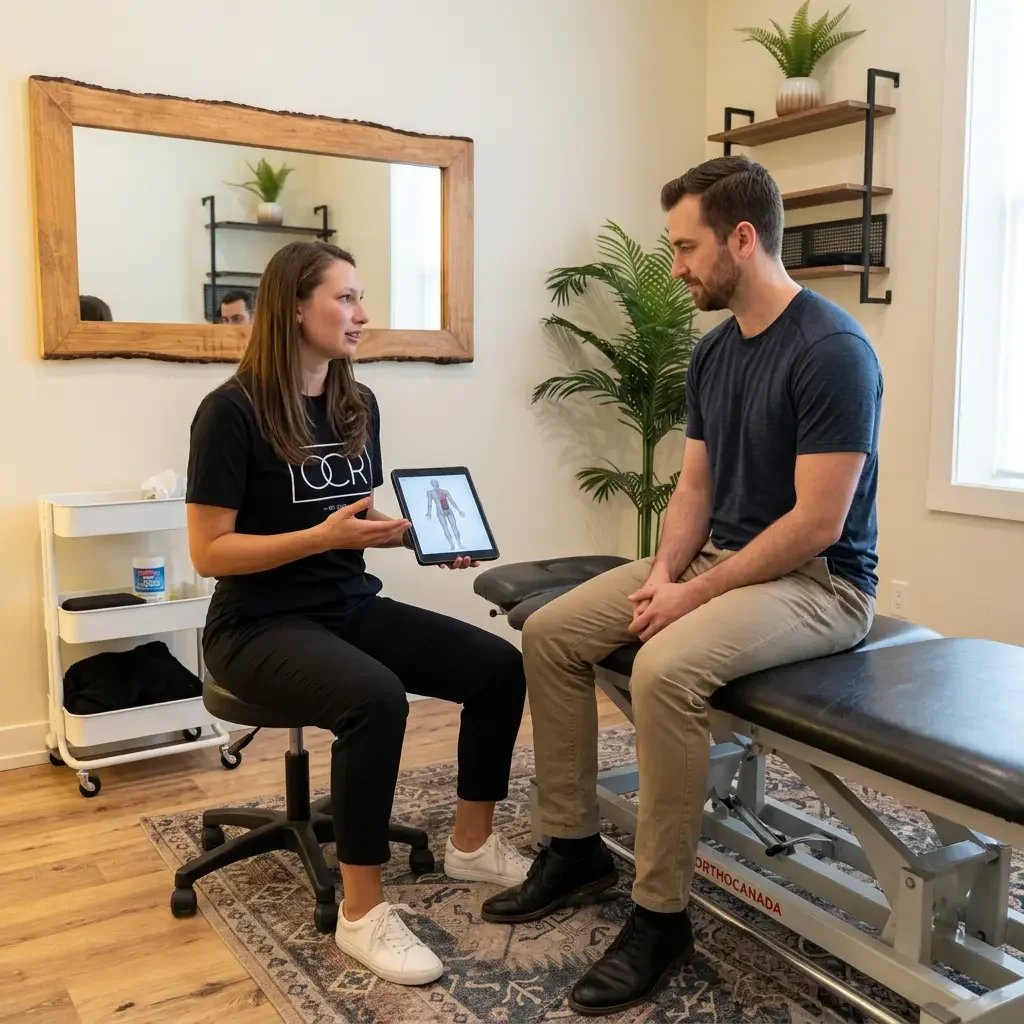
Dry needling is a therapeutic technique that involves the insertion of thin, sterile needles into specific tight bands of muscle tissue called trigger points. These hyperirritable spots can contribute to localized pain, referred discomfort in other areas, and restricted movement. At Ossington Chiropractic and Rehabilitation (OCR) on Ossington Avenue in Toronto, ON, dry needling is never used in isolation — it is incorporated into a personalized rehabilitation plan designed around your specific needs and goals.
Many people near Ossington Avenue find themselves looking for more focused relief when self-care routines, regular stretching, or massage alone are not producing the results they need. Whether you are a desk worker managing postural tension, a weekend athlete dealing with recurring muscle tightness, or someone working through a sports-related setback, dry needling may offer a practical addition to your care.
Your chiropractor or rehabilitation provider at OCR will assess your situation before recommending dry needling, ensuring it is an appropriate and well-timed part of your overall recovery plan.
How Can Dry Needling Support Your Pain Relief and Mobility?
When trigger points are stimulated through dry needling, the muscle may release tension, local circulation can improve, and your body's own recovery mechanisms are engaged. Many people notice a reduction in muscle stiffness, less discomfort that radiates to other areas, and a noticeable change in how freely a joint moves following treatment.
At OCR on Ossington Avenue, Toronto, ON, dry needling is woven into a broader care approach. This means it works alongside hands-on manual therapy, targeted exercise progressions, and patient education — all of which are tailored to where you are in your recovery journey. This integrated model can be especially valuable for those managing chronic desk-related tension in the neck and upper back, training loads that leave muscles persistently sore, or residual tightness from previous injuries that never quite resolved.
People who respond well to dry needling often describe it as reaching areas that nothing else seemed to address directly. If you want a focused option that fits naturally into your regular clinic visits on Ossington Avenue, it may be worth exploring with your provider.
What Conditions Can Dry Needling Help Address?
Dry needling at Ossington Chiropractic and Rehabilitation (OCR) on Ossington Avenue, Toronto, ON is incorporated into care plans for a range of musculoskeletal concerns. By targeting myofascial trigger points in specific muscle groups, it can be helpful for pain and movement issues affecting many different areas of the body. Your provider will determine whether dry needling is appropriate for your specific situation during your assessment.
Neck & Upper Back
Postural tension from prolonged sitting, screen time, and desk work commonly creates trigger points in the neck and upper trapezius muscles.
Headaches
Trigger points in the suboccipital, cervical, and shoulder muscles can contribute to tension-type and cervicogenic headaches that may respond to dry needling.
Shoulders
Rotator cuff-related tightness, overuse patterns from repetitive overhead activity, and restricted shoulder mobility may all benefit from targeted dry needling.
Legs, Knees & Calves
Sports and activity-related tightness in the quadriceps, hamstrings, IT band complex, and calf muscles can be addressed alongside exercise-based rehabilitation.
Lower Back & Hips
Muscle tension patterns in the lumbar region, gluteal muscles, and hip flexors are frequently addressed with dry needling as part of a back or hip rehabilitation plan.
Ankles & Feet
Muscle tension patterns following ankle sprains or overuse injuries in the lower leg and foot can sometimes be part of a dry needling plan to support recovery and restore function.
What Can You Expect During a Dry Needling Appointment on Ossington Avenue?
Your first dry needling visit at OCR on Ossington Avenue in Toronto, ON begins with a thorough assessment. Your provider will review your health history, discuss your current symptoms and treatment goals, and examine your posture, range of motion, and areas of muscle tension. This evaluation is what determines whether dry needling is suitable for you and how it will fit within your overall plan of care.
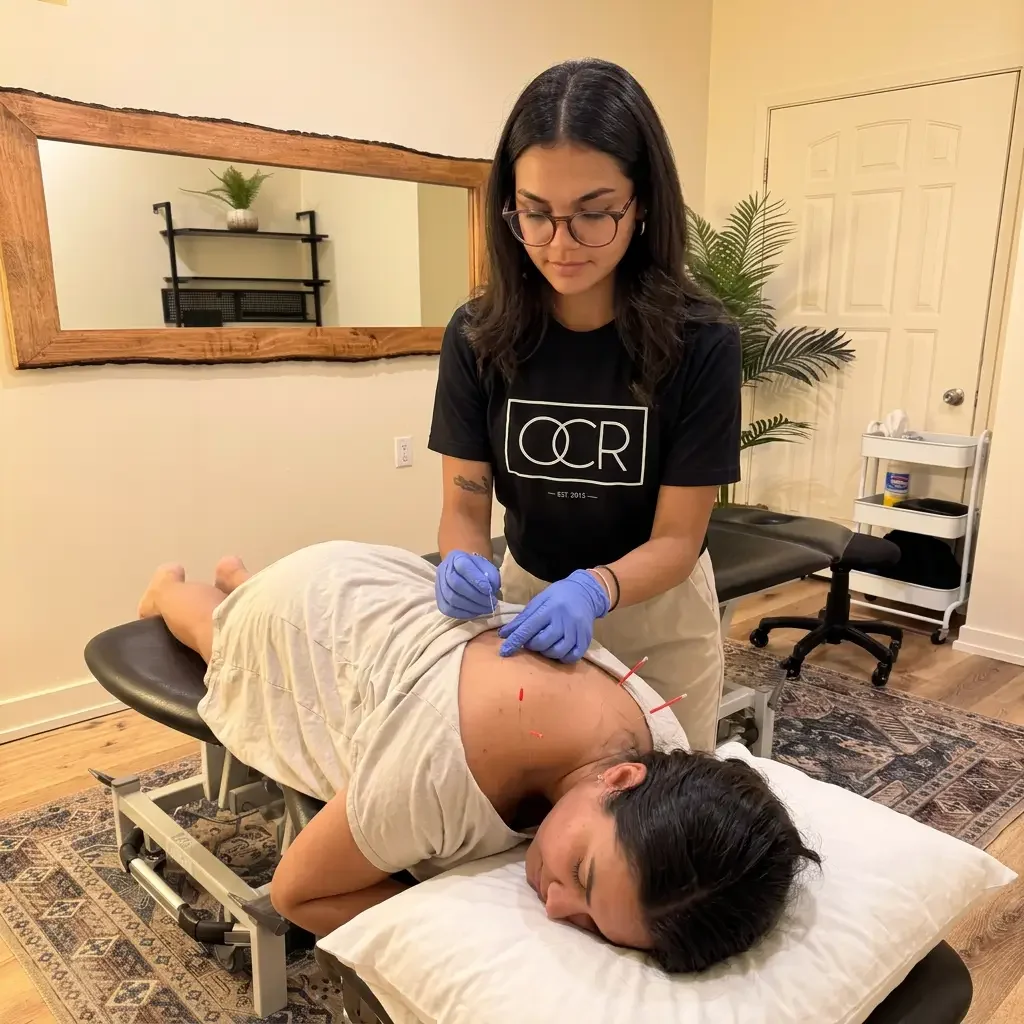
If dry needling is appropriate, your provider will use thin, single-use, sterile needles inserted gently and precisely into targeted trigger points. You may experience a brief involuntary muscle twitch or a deep, achy sensation — both of which are normal responses indicating the trigger point has been stimulated. Needling time within a session is typically 15–30 minutes, and this forms one part of a longer visit that may also involve manual therapy techniques, movement coaching, or exercise guidance.
Your provider will walk you through what they are doing throughout the session and check in on your comfort level. Before you leave, they will outline how many sessions may be helpful for your situation. For many people, a short series of visits — commonly somewhere in the range of three to eight sessions — combined with progressive exercise and hands-on care produces meaningful results.
Same-day appointments are available at our Ossington Avenue location, making it easier to fit care into a busy schedule without a long wait.
How Does Dry Needling Compare to Acupuncture and Other Needle-Based Techniques?
A common question at our Ossington Avenue clinic is how dry needling differs from acupuncture. While both involve the use of fine needles, the two approaches are grounded in very different frameworks. Dry needling draws from Western musculoskeletal medicine and is focused specifically on identifying and treating myofascial trigger points to reduce muscle-related pain and improve movement. The needle placement decisions are based on anatomy, movement assessments, and understanding of how muscle dysfunction contributes to pain.
Acupuncture has roots in traditional Chinese medicine and involves needle placement along meridian pathways to influence the body's energy systems. It is often sought for a broader range of concerns, including stress, sleep, digestive health, and headaches. At OCR, acupuncture is available through registered acupuncturists who work within that framework. Dr. Glenn Paul Uy and Ke (River) Fa provide acupuncture services, and they can help you understand whether acupuncture or dry needling is a more fitting option for what you are managing.
For people dealing with specific musculoskeletal pain, restricted movement, or stubborn trigger points related to activity or posture, dry needling or motorpoint acupuncture can be a more direct tool. Your provider will discuss all acupuncture options with you and help you make an informed decision based on your goals, preferences, and any relevant health considerations.
Is Dry Needling Safe and Who Might Not Be a Good Candidate?
When performed by a trained and qualified healthcare provider using single-use, sterile needles and proper technique, dry needling carries a low overall risk profile. At OCR on Ossington Avenue, Toronto, ON, your provider takes safety screening seriously and reviews your medical history, current medications, and comfort level before recommending this technique.
The most common side effects include temporary muscle soreness or achiness in the treated area, which can feel similar to the muscle fatigue you might notice after a workout. Mild bruising or a brief sense of tiredness following a session are also possible. These effects typically resolve on their own within 24–48 hours.
Some individuals may be advised to avoid or delay dry needling. These can include people with certain bleeding or clotting conditions, those taking specific medications, individuals with compromised immune function, or those who are pregnant. Needle anxiety or phobia is also something your provider will discuss openly, as comfort and informed consent are a priority at our clinic.
If you have questions about whether dry needling is appropriate given your health history, your initial assessment at OCR on Ossington Avenue is the right time to raise them. Your provider will explain your options and, if dry needling is not suitable, work with you to identify other
Book Dry Needling on Ossington Avenue in Toronto, ON
If you are managing persistent muscle tension, recurring trigger-point discomfort, or an injury that has not fully responded to other care, dry needling at Ossington Chiropractic and Rehabilitation (OCR) may be a fitting addition to your treatment plan. We serve active individuals, athletes, desk workers, and weekend warriors in the Ossington Avenue area and surrounding Toronto neighbourhoods.
Same-day appointments are available. Reach our Ossington Avenue clinic by phone at 647-493-3503 or book online to arrange your assessment and find out whether dry needling should be part of your chiropractic or rehabilitation care.
Dry Needling Frequently Asked Questions
-
Dry needling uses thin, single-use sterile needles to target myofascial trigger points — tight, hypersensitive areas within muscle tissue that can generate local pain or refer discomfort to nearby regions. At OCR on Ossington Avenue in Toronto, your provider inserts needles into these points to help release tension, support improved circulation in the area, and encourage your body's natural tissue recovery process. It is always delivered as part of a broader chiropractic or rehabilitation plan, not as a standalone treatment.
-
Most people find dry needling tolerable, though the experience varies depending on the area being treated and individual sensitivity. You may notice a quick pinch during insertion, followed by a muscle twitch response or a temporary deep ache as the trigger point is engaged — both are normal and expected sensations. Your provider at our Ossington Avenue clinic will walk you through what to expect and adjust their approach based on your feedback throughout the session.
-
The number of sessions depends on several factors including your condition, how long you have been dealing with the issue, your goals, and how your body responds to treatment. Some people notice meaningful changes within just a few visits, while others benefit from a short series — often in the range of three to eight sessions — delivered alongside exercise and manual therapy. Your OCR provider on Ossington Avenue will outline a realistic plan at your initial assessment and reassess progress along the way.
-
In Ontario, dry needling is typically delivered as part of a chiropractic or physiotherapy visit rather than billed as a separate standalone service, so whether it is covered depends largely on the nature of your extended health benefits plan. Coverage varies widely between plans and providers, so it is worth reviewing your individual policy details. The team at OCR on Ossington Avenue can help clarify how services are billed and answer any questions you have about what to expect.
-
It is common to experience some muscle soreness or achiness in the treated area for up to 24–48 hours after a dry needling session, similar in quality to the fatigue you might feel following an exercise session. Many people also notice an improvement in their ease of movement and a reduction in stiffness as that soreness fades. Your OCR provider will review simple aftercare recommendations — such as staying gently active, drinking plenty of water, and avoiding intense physical strain immediately afterward — and will let you know what signs would warrant a follow-up contact with the clinic.
-
Occasionally, people notice a short-term increase in the awareness of the treated area or a temporary flare of achiness following a dry needling session, particularly after early visits. This is generally expected and typically settles within a day or two as the muscle adapts to treatment. If you experience pain that feels significantly different from what was described, persists longer than expected, or concerns you in any way, contact our Ossington Avenue clinic — your provider can reassess, modify your plan, or discuss alternative approaches.
“Rooted in Trust. Driven by Results.
Humbly serving the Ossington community and beyond, with care and compassion since 2015.”