
Living Well with Osteoarthritis: What Physio and Chiropractic Can Do For You
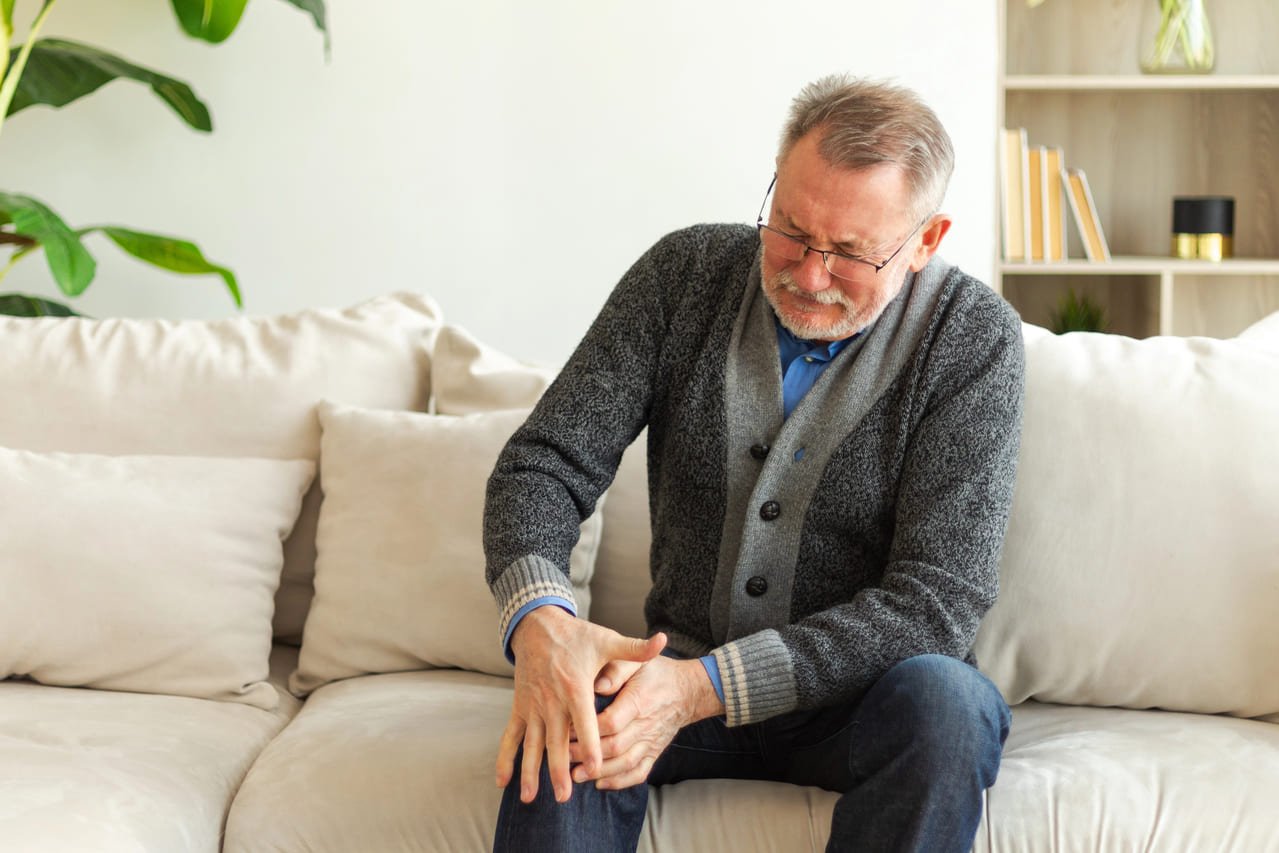
There is a piece of advice that has followed osteoarthritis patients for decades: rest when it hurts. On the surface, it makes sense. Pain feels like a signal to stop. And if moving a joint produces discomfort, the instinct to protect it by staying still is understandable.
The problem is that for osteoarthritis, rest alone tends to make things worse over time, not better. Joints are built to move. When they stop moving regularly, the structures around them, including the muscles, the soft tissue, and the joint fluid itself, respond in ways that increase stiffness and reduce function. The cycle feeds itself quietly until routine activities start to feel like obstacles.
This post will walk through why that cycle starts, what the evidence suggests about movement and joint health, what progressive exercise for osteoarthritis looks like in practice, and how a physiotherapist or chiropractor can help you build a plan that works for your body and your life.
Why Rest Keeps Osteoarthritis Stuck
When osteoarthritis pain flares, reducing activity feels like the right call. Pain registers as damage in most people's minds, so stopping feels protective. And for a short, acute flare, some reduction in load makes sense. The issue arises when short-term symptom management becomes a long-term strategy.
The pattern is common and well-recognized in clinical practice. Pain leads to less movement. Less movement leads to stiffness and muscle weakness around the affected joint. Stiffness and weakness make normal activities, such as walking, climbing stairs, or getting up from a chair, feel harder and more painful. That increased difficulty leads to further avoidance. The joint becomes more sensitized, and confidence in moving it decreases.
This is not a failure of willpower. It is a predictable physiological and psychological response to pain. But it is also a cycle that a well-structured movement plan is designed to interrupt. The goal is not to push through sharp pain. The goal is better-tolerated movement, progressed at a pace the joint can handle.
Why Movement Helps Osteoarthritis More Than Most People Expect
Cartilage does not receive blood supply the way most tissues do. It depends on joint motion to circulate synovial fluid, the lubricating fluid inside the joint capsule, which delivers nutrients and supports the joint environment. Without regular movement, that circulation is reduced. With appropriate movement, it is supported.
Beyond the joint itself, movement strengthens the muscles that surround and stabilize affected joints. Strong muscles absorb load and reduce the stress that passes through cartilage during everyday activities. Research summarized by the Mayo Clinic supports appropriate physical activity as part of managing joint comfort and mobility in arthritis. This is consistent with what peer-reviewed conservative treatment literature from the National Institutes of Health identifies as a primary management approach for hip and knee osteoarthritis.
For the active people most likely reading this, the practical outcomes are concrete. Walking longer distances with less guarding. Climbing stairs with more control and less hesitation. Getting through a full workday without the low-grade stiffness that builds by afternoon. Returning to training or recreational sport with smarter pacing. These are realistic outcomes when movement is introduced at the right dose, not certainties, but common experiences when the plan fits the person.
Examples of movement modifications worth considering at any point include:
Squats modified to a box or reduced range before progressing to full depth
Cycling as a low-impact starting point before returning to running
Step-downs before adding hills or inclines to walking routes
Hip strengthening before longer or more demanding walks
None of these are permanent substitutions. They are entry points into a progression.
Controlled and Progressive Means Specific, Not Random
The words "controlled" and "progressive" carry real clinical meaning here. Controlled movement is chosen, measured, and adjusted based on symptoms, current strength, available range of motion, and the person's goals. Progressive means the challenge increases gradually over time, whether that means range, load, repetitions, duration, or movement complexity.
A meaningful osteoarthritis exercise plan does not look like a generic handout. It changes as you change. Physiopedia's clinical overview of knee osteoarthritis management emphasizes individualized, function-focused programming as a cornerstone of effective care. A static list of exercises, repeated indefinitely, is not that.
Progression for osteoarthritis often follows a pattern like this:
During the early stage, the main focus is on pain-limited range of motion and gentle loading to protect vulnerable tissues while maintaining mobility. Recommended exercises at this phase include supported partial squats and seated leg extensions.
As you move into the building stage, the objective shifts toward developing strength and overall stability using double-leg support. Key exercises for this phase include step-ups, glute bridges, and wall sits.
In the advancing stage, the emphasis moves to single-leg control and functional movement patterns to prepare for higher physical demands. Effective movements include single-leg step-downs, split squats, and lateral exercises.
Finally, the return to activity stage centers on sport- or training-specific loading by carefully adjusting movement depth, tempo, and total volume. This phase typically incorporates a modified gym program alongside sport-specific drills to safely transition back to full performance.
Mild discomfort during or after movement is often acceptable, especially early in a program. Sharp pain, escalating pain during exercise, or soreness that persists well into the following day are signals to modify, not push through. These cues guide the pace of progression more than any fixed timeline.
How a Physiotherapist or Chiropractor Can Help You Move Better
Both a physiotherapist and a chiropractor are trained to assess joint motion, muscle function, movement patterns, and the areas above and below the painful joint that often contribute to the problem. Either pathway is worth considering, and the right fit depends on your symptoms, your goals, and how your body responds to care.
Assessment often includes range of motion testing, strength evaluation, gait or movement mechanics, balance, posture, training volume, and how your symptoms behave across different activities and times of day. That information shapes a plan that is specific to you, not a template applied to a diagnosis.
Treatment options are multi-modal. No single approach is the answer for every person or every presentation. Options include:
Manual therapy to improve joint and soft tissue mobility
Exercise and stretching for strength, load tolerance, and movement control
Acupuncture, electro-stim, or taping where appropriate for symptom management
Adjustments to posture, training habits, footwear, pacing, and daily load
Pain relief is a real and immediate priority. Many people notice that symptoms settle more quickly once movement is better supported and load is better managed. The larger goal, though, is function: moving through your day, your training, and your work with more confidence and less compensating. You can read more about pain relief approaches at OCR here.
The plan you build with your clinician is a partnership. Your feedback on what is working, what is aggravating symptoms, and what your priorities are shapes each step forward. The clinician brings the framework. You bring the lived experience of what is actually happening in your body.
What To Do During a Flare Without Going Back to Full Rest
Flare-ups are part of living with osteoarthritis. They do not mean the plan has failed or that you need to start over. They are a signal to modify, not stop.
During a flare, the practical approach is to reduce intensity, range, duration, or load rather than withdraw from movement entirely. Switching to lower-impact options like cycling, swimming, or flat-ground walking keeps the joint moving without the same level of demand. Shorter sessions done more frequently often work better than longer sessions with full recovery time in between. Once symptoms settle, rebuilding gradually from where you left off is more effective than waiting until everything feels normal again.
There are situations where assessment is the right next step rather than self-management. Seek input from a physiotherapist or chiropractor if you notice joint swelling that does not settle, a sensation of locking or giving way, significant pain at night, or a sudden and unexplained change in function. Knee pain, specifically, can involve structures beyond cartilage that warrant hands-on evaluation.
The answer during a flare is almost never "do nothing." It is finding the version of movement your joint can tolerate on that particular day.
Living Well With Osteoarthritis Is a Long Game, Not a Perfect Routine
Managing osteoarthritis well over time is less about finding a perfect program and more about building a repeatable system that adapts as your life and body change. The pillars of that system are consistent regardless of whether you are a weekend runner, a desk worker, a gym regular, or someone whose work involves physical demand:
Strength in the muscles surrounding the affected joint
Mobility in the joint and the regions above and below it
Load management across sport, training, work, and daily commuting
Sleep and recovery habits that support tissue tolerance
Regular adjustments to the plan as your goals and capacity evolve
A weekend warrior managing knee osteoarthritis needs a different strategy than a desk worker managing hip stiffness, even if the diagnosis sounds the same. The question worth asking is not "what is the right exercise for osteoarthritis?" It is: what load does your joint handle well right now, and how do you build that capacity over time in a way that fits your actual life.
Key Takeaways
Prolonged rest for osteoarthritis tends to increase stiffness and weaken the muscles that support the joint, which makes pain and function worse over time.
Cartilage relies on joint motion to circulate synovial fluid, which supports the joint environment. Movement supports that process; inactivity reduces it.
Controlled and progressive movement means starting at a level the joint can tolerate and increasing challenge gradually based on symptoms and strength, not a fixed schedule.
Both physiotherapy and chiropractic care are valid pathways for assessing osteoarthritis, addressing contributing factors, and building an individualized movement plan.
Flare-ups during a progressive program are normal. The appropriate response is to modify movement, not eliminate it, and rebuild from there.
Mild discomfort during appropriate exercise is often acceptable; sharp, escalating, or lingering pain are signals to adjust the plan.
Ready to Build a Plan That Works for Your Joint?
If osteoarthritis has kept you away from the activities you care about, a movement-based plan is worth considering at any point. Waiting for pain to disappear on its own, or relying on rest as the primary strategy, rarely gets people back to where they want to be.
At Ossington Chiropractic and Rehabilitation (OCR) on Ossington Avenue in Toronto, a physiotherapist or chiropractor can assess how your joint is moving, identify what is limiting you, and determine which treatment options align with your goals. The plan may include hands-on care, exercise programming, mobility work, symptom management tools, and practical changes to how you train, work, and recover.
We will be with you every step of the way. Book an assessment and build a plan that helps you move with more confidence.
Frequently Asked Questions
Should I stop exercising if I have osteoarthritis?
Not usually. Complete rest tends to increase stiffness and reduce the muscle strength that supports your joint. You may need to modify the type, intensity, or volume of exercise, particularly during a flare, but movement is generally a core part of osteoarthritis management. A physiotherapist or chiropractor can help identify a tolerable starting point and progress from there.
Can movement make osteoarthritis worse?
The wrong dose or type of movement can aggravate symptoms, but controlled and progressive exercise is widely used in conservative osteoarthritis care. The key is matching the movement to your current joint capacity and adjusting based on how your body responds, rather than using a fixed program regardless of feedback.
Is physiotherapy or chiropractic better for osteoarthritis?
Both are appropriate pathways, and neither is categorically superior. A physiotherapist and a chiropractor share core skills in assessing movement, identifying contributing factors, and building progressive plans. The right fit depends on your symptoms, your goals, your preferences, and how your body responds to care. Many people find value in either pathway or in a combination of both.