

Rooted in Trust. Driven by Results.
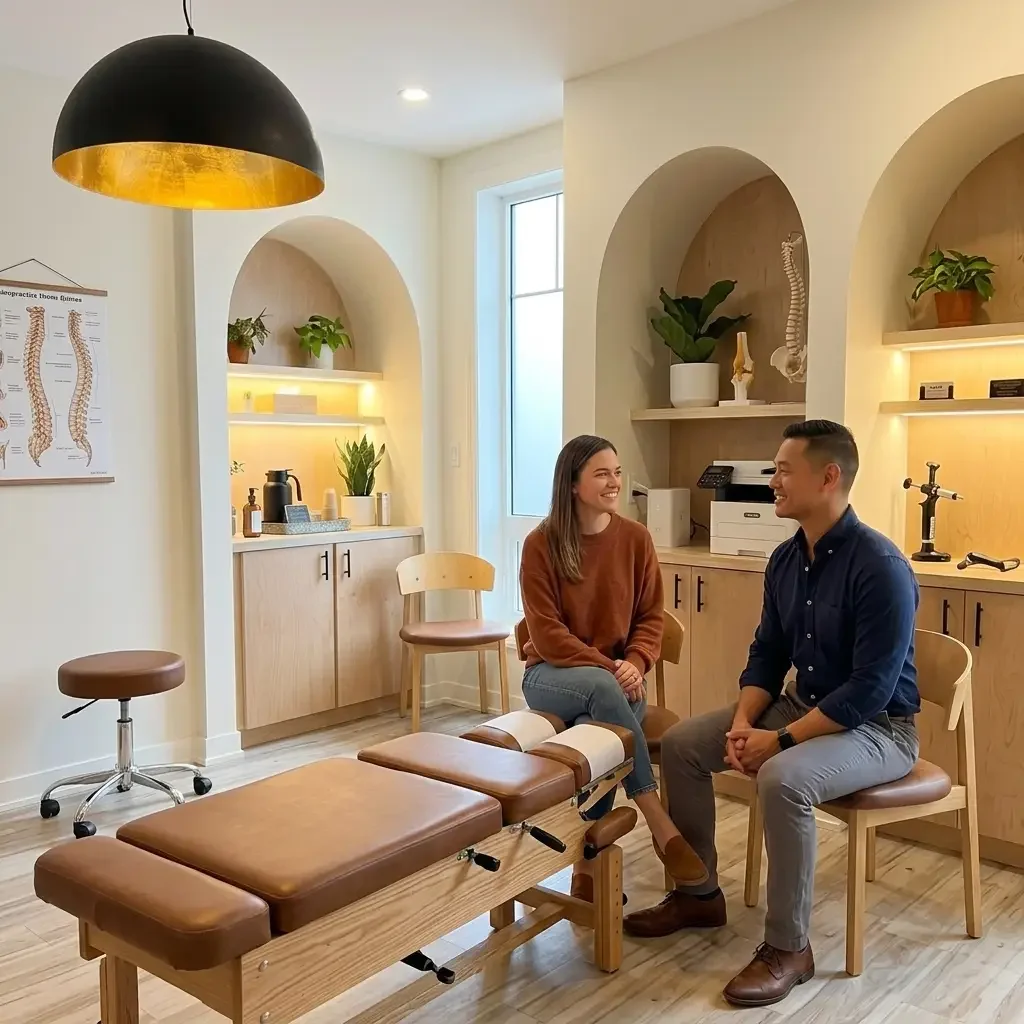
Scoliosis Treatment with Chiropractic Care on Ossington Avenue, Toronto
Living with scoliosis means managing more than just a spinal curve — it involves navigating chronic back pain, muscle fatigue, and the uncertainty of treatment options. At Ossington Chiropractic and Rehabilitation, we have been assessing and managing scoliosis for over 20 years. Located conveniently on Ossington Avenue, Toronto, our evidence-informed chiropractic approach focuses on functional recovery. We are committed to supporting you every step of the way.
Book your scoliosis assessment today — same-day appointments are available for Toronto residents.
What Are the Signs of Scoliosis?
If you have a confirmed or suspected scoliosis diagnosis, you already know the condition involves more than a sideways spinal curve visible on imaging. The day-to-day reality often presents a specific cluster of physical symptoms — and if several of the following sound familiar, conservative chiropractic management may be well suited to your situation.
Uneven shoulders, hips, or a visible rib prominence that you notice in photos or mirrors
Chronic, dull back or neck pain that worsens after prolonged sitting or standing at work
Persistent muscle tightness or fatigue concentrated on one side of your spine — no matter how much you stretch
Reduced flexibility when twisting, bending, or exercising, with stiffness that limits your daily mobility
These are signs that scoliosis may be affecting your function, not just your posture. Chiropractic care in Toronto is designed to address exactly these biomechanical concerns.
How Does Chiropractic Care Help with Scoliosis?
Chiropractic care for scoliosis is not about forcing a curved spine straight. The focus is on addressing the functional consequences of that curve — the joint stiffness, muscle imbalances, and nerve irritation that translate into daily pain and reduced mobility. At OCR, treatment is grounded in understanding how your specific Cobb angle affects your biomechanics and what your body needs to move better.
The muscles on the over-compensating side of a scoliotic spine work harder than they should, constantly bracing against asymmetry. Over time, this produces the chronic tightness and fatigue that many patients describe as their most disruptive symptom. Our approach uses targeted soft-tissue therapy and safe, modified manual adjustments to help release tension, restore spinal mobility, and reduce nerve pressure.
Alongside hands-on treatment, we prescribe rehabilitative exercises tailored to your specific curve pattern. The goal is measurable improvement in spinal mobility, muscle balance, and daily function — with pain management and functional recovery working together to help you return to the activities you value.
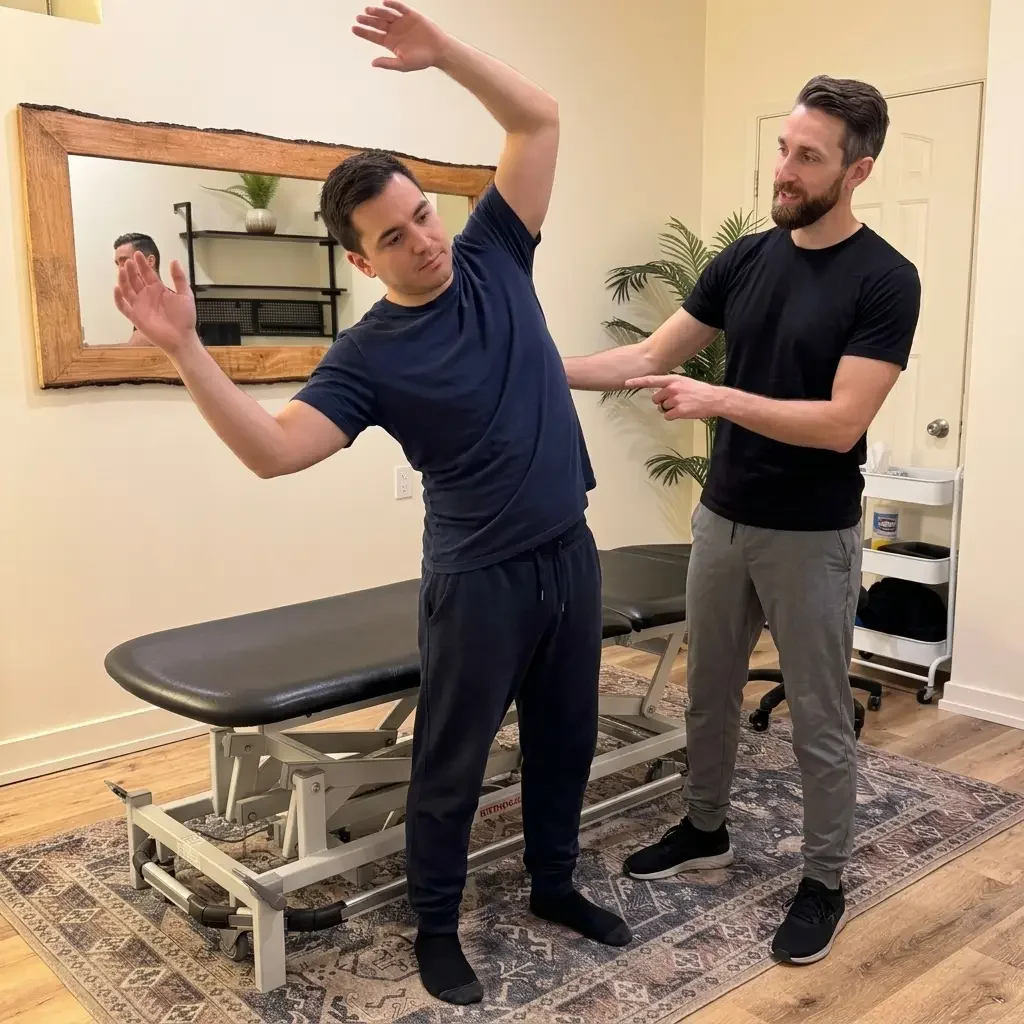
What Should You Expect from Chiropractic Treatment for Scoliosis?
| Phase | What Happens | Typical Duration |
|---|---|---|
| Initial Assessment | A thorough, hands-on evaluation of your spine including postural analysis, mobility testing, and a review of your imaging or Cobb angle measurements. We identify muscle imbalances, assess your specific curve biomechanics, and discuss your functional goals before building a conservative care plan. | First appointment (45–60 minutes) |
| Active Treatment Sessions | A multi-modal session incorporating safe, modified manual therapy tailored to your curve, soft-tissue release for over-compensating muscles, and targeted rehabilitative exercises. Progress is tracked and sessions are adjusted based on how your spine responds to care. | Ongoing, 1–3× per week initially |
| Transition to Maintenance | As pain decreases and daily mobility improves — many patients notice change within 4 to 8 weeks — visit frequency reduces. Many patients transition to a monthly maintenance schedule to monitor their spine, manage flare-ups, and sustain the functional gains achieved during active care. | Monthly or as needed |
Is Chiropractic Care or Physiotherapy Right for Scoliosis?
If you are evaluating treatment options for scoliosis in Toronto, you are likely weighing chiropractic care against other conservative or medical alternatives. The following comparison is intended to help you understand where each approach fits and how they relate to one another.
| Treatment | Primary Focus | How It Relates to Chiropractic Care |
|---|---|---|
| Physiotherapy | Curve-specific exercise and postural re-education | A complementary approach. Chiropractic targets joint mobility and soft-tissue tension while physiotherapy focuses on active postural correction. Many patients benefit from utilizing both modalities together. |
| Bracing | Curve stabilization, primarily in adolescents | Chiropractic care can work alongside bracing by helping manage the muscle tension and joint stiffness that rigid bracing can generate while the primary intervention runs its course. |
| Surgery | Structural correction of significant curves | Surgery may be appropriate when conservative management is insufficient. Chiropractic and physiotherapy care can be a proactive conservative step before surgical thresholds are reached, or can support functional recovery following surgery. |
Our Chiropractic Care at OCR
If you are ready to move from researching to taking action, the natural next step is understanding what chiropractic care at OCR specifically looks like. Our team's decade of clinical scoliosis experience translates directly into individualized treatment plans built around your curve, your symptoms, and your goals.
You can learn more about our chiropractic care service — exploring our functional approach, the modified techniques we utilize, and what a scoliosis-focused practice offers compared to a general clinic. When you are ready, booking your initial assessment is straightforward, and same-day appointments are available at our Ossington Avenue clinic.
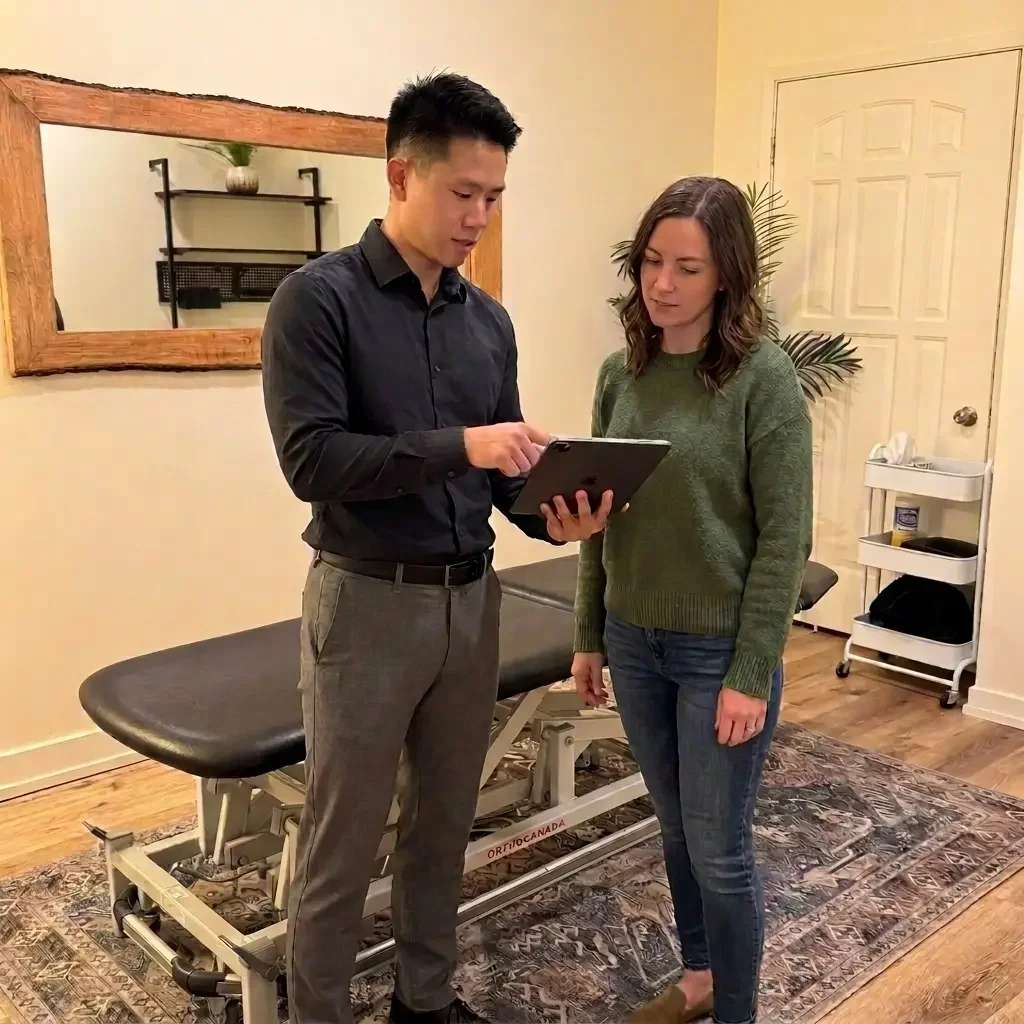
Why Choose OCR for Scoliosis Care
Scoliosis is a condition where clinical experience genuinely matters. At OCR, our team has been assessing, treating, and managing scoliosis and its associated symptoms for over a decade. That depth of focused clinical experience means we understand the meaningful differences between adolescent idiopathic scoliosis and adult degenerative scoliosis — avoiding generic protocols entirely.
A decade of dedicated scoliosis management — not treating scoliosis as one condition among many.
Transparent, multi-modal approach — manual therapy, soft-tissue work, and rehabilitation exercises chosen for your specific spinal curve.
Evidence-informed practitioners highly familiar with Cobb angle measurements and modern conservative management strategies.
Honest clinical communication — realistic care plans built around what you can actually achieve, without overclaiming on structural correction.
Scoliosis Care Serving Ossington and Toronto's West End
OCR is conveniently located on Ossington Avenue, making the clinic easily accessible by TTC, car, or bicycle. We serve patients from across Toronto's west end, including Trinity-Bellwoods, Little Portugal, Dufferin, Parkdale, and Roncesvalles.
We also regularly welcome patients willing to travel from further afield — including Etobicoke and downtown Toronto — specifically for our experienced, conservative scoliosis care.
Insurance Coverage for Scoliosis Chiropractic Care
Chiropractic care is generally covered by most Ontario extended health benefit plans, including many employer-sponsored group plans. OCR does not offer direct billing; however, we provide a detailed receipt after each visit that you can submit to your insurer for reimbursement. We recommend contacting your provider before your first appointment to confirm your annual chiropractic benefit and any per-visit limits that may apply.
Frequently Asked Questions About Scoliosis and Chiropractic Care
-
Chiropractic care for scoliosis focuses on managing chronic pain, improving spinal mobility, and addressing the muscle imbalances that develop as a result of a curved spine. While it does not structurally reverse a curve, many patients find that reducing stiffness, nerve irritation, and fatigue allows them to remain more active in daily life. The goal is measurable functional improvement tailored to your specific curve and symptoms.
-
No — conservative chiropractic care does not structurally correct or straighten a scoliotic curve. The clinical focus at OCR is on targeted symptom relief, improved muscle balance, and better day-to-day function rather than changing the Cobb angle of your curve. We provide honest, evidence-informed expectations at every stage of your care.
-
Treatment plans vary based on your age, curve severity, and functional goals — there is no single answer that fits every patient. Most people begin with one to three visits per week during the initial phase, with many noticing functional change within four to eight weeks. As progress is achieved, visit frequency typically tapers to a monthly maintenance schedule to monitor and support your ongoing spinal health.
-
When performed by practitioners with extensive, condition-specific experience, spinal adjustments are generally considered safe for patients with scoliosis. At OCR, all manual therapy techniques are carefully modified based on your individual curve presentation and specific symptoms identified during your initial assessment. We never apply generic manipulation to a scoliotic spine — every treatment decision is informed by your clinical picture.
“Rooted in Trust. Driven by Results.
Humbly serving the Ossington community and beyond, with care and compassion since 2015.”